
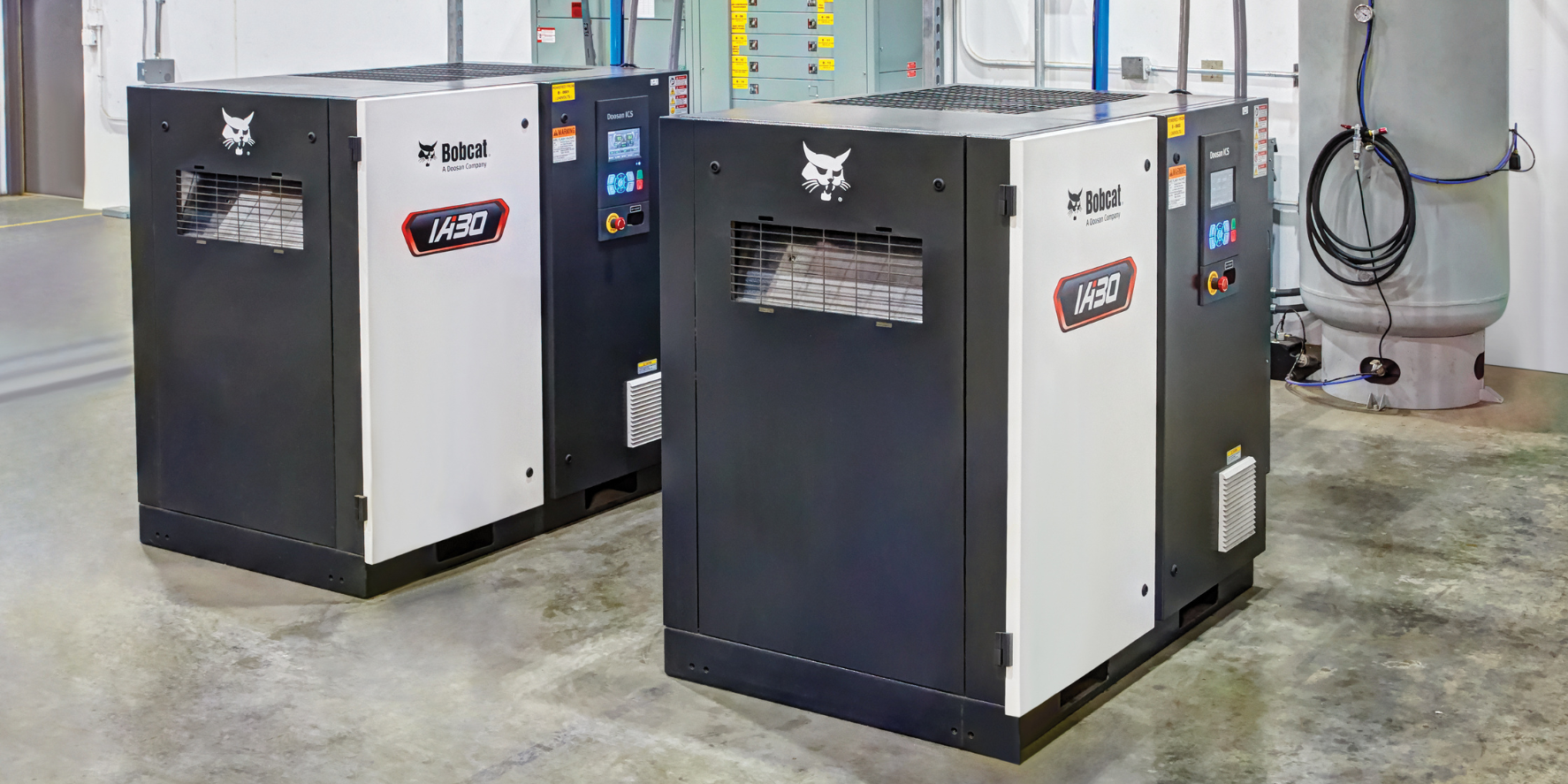
Air Compressor Safety Guide
Posted by Brianna Ceballos on 2nd Jul 2026
Safe Compressor Habits That Help Protect Your Team & Equipment
Compressed air keeps industrial operations moving, but it should never be treated casually. The right safety habits can help prevent injuries, equipment damage, and costly downtime.
Protect People
Reduce risk around high-pressure air systems.
Protect Equipment
Catch small issues before they become major failures.
Protect Uptime
Keep your system safer, cleaner, and more reliable.
Why Air Compressor Safety Matters
Air compressors power tools, machinery, production lines, and daily facility operations. Because compressed air stores energy under pressure, unsafe operation can lead to injuries, damaged parts, unexpected shutdowns, and expensive repairs.
A strong safety routine starts with proper setup, trained operators, regular inspections, and a commitment to never ignoring warning signs.
6 Safety Rules Every Compressor User Should Follow
1. Read the Manual First
Every compressor has specific operating instructions, pressure limits, and service requirements.
- Review startup and shutdown steps
- Understand rated pressure limits
- Follow manufacturer maintenance intervals
2. Choose a Safe Location
Install the compressor in a clean, dry, well-ventilated area with room for airflow and maintenance.
- Keep away from flammable materials
- Allow clearance around the unit
- Avoid excessive dust, heat, or moisture
3. Check Electrical Safety
Proper grounding and safe electrical connections help prevent hazards and equipment damage.
- Use grounded outlets
- Avoid damaged cords
- Do not overload circuits
4. Wear Proper PPE
Anyone operating or working near a compressor should wear protective equipment suited for the task.
- Safety glasses or face shield
- Hearing protection
- Gloves and protective footwear
5. Respect Pressure Limits
Never operate a compressor beyond its intended pressure or flow range.
- Monitor pressure gauges
- Do not bypass safety devices
- Shut down if readings look abnormal
6. Maintain It Consistently
Preventive maintenance keeps your system safer, cleaner, and more dependable.
- Inspect filters and hoses
- Check oil and lubrication
- Test pressure relief valves
What Not to Do Around Compressed Air
Daily Compressor Safety Checklist
Need Help Maintaining Your Compressor System?
ProParts Inc. supports industrial facilities with preventive maintenance, emergency repairs, parts, inspections, and complete compressed air system support.
Contact ProParts Today