
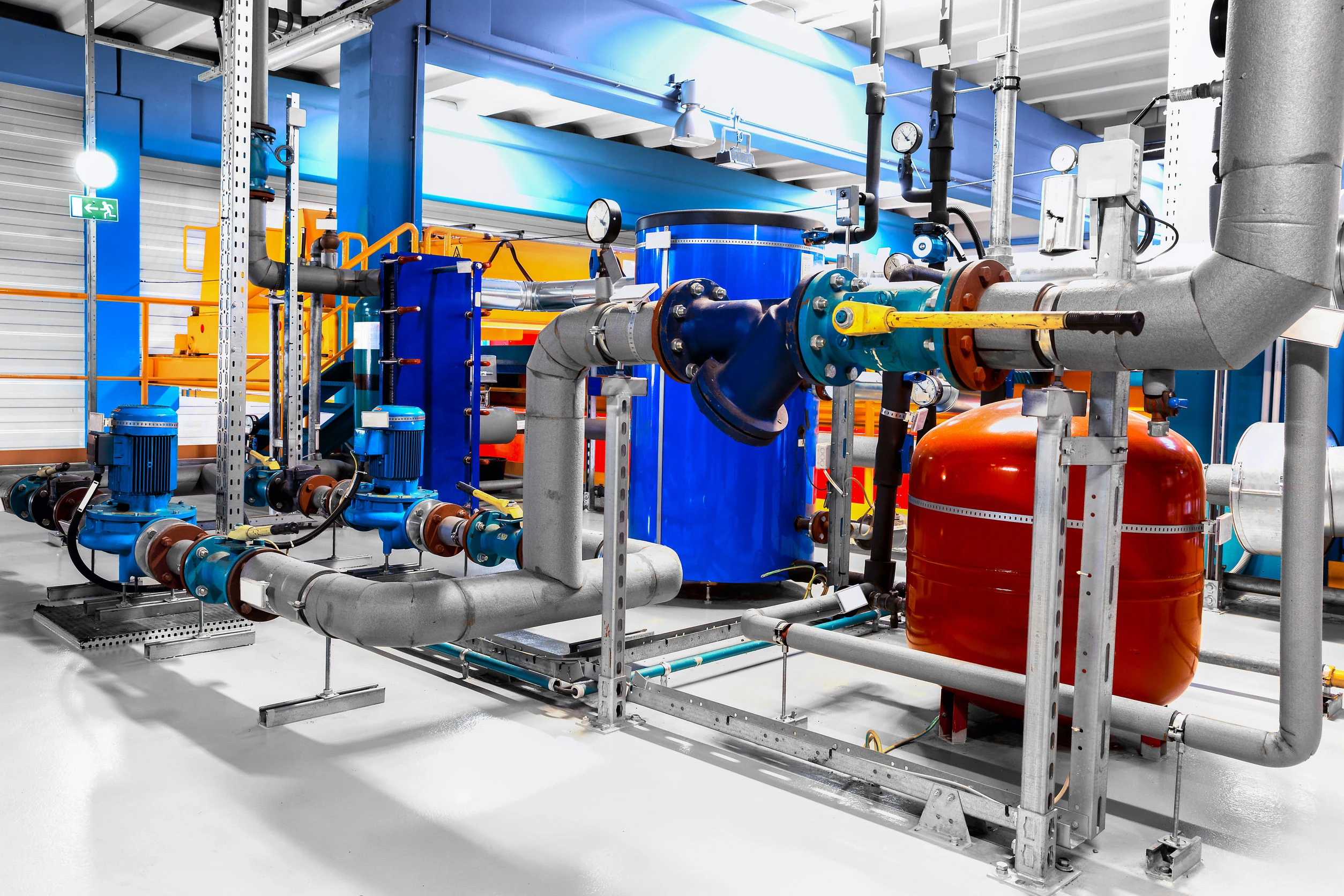
Fall Back Into Compliance: Why Your Condensate Drains and Oil-Water Separators Can't Wait
Posted by Bryanna Cuellar on 14th Sep 2026
ProParts Inc.
Fall Back Into Compliance: Why Your Condensate Drains and Oil-Water Separators Can't Wait
As fall production ramps up, it's worth confirming your compressed air system's condensate management is actually compliant, not just running.
As South Texas facilities shift out of peak summer production and start planning for the last stretch of the year, it's easy to let smaller maintenance items slide. But your condensate drains and oil-water separators aren't a "someday" task. They're one of the most overlooked compliance risks in a compressed air system.
Not a Compressor Problem, a Wastewater Problem
Condensate management doesn't get the same attention as belts, filters, or oil changes, because it isn't a performance issue until it becomes a fine. That's exactly why it's worth a look before fall production picks up.
Where the Condensate Actually Comes From
Every compressed air system pulls in atmospheric moisture, and along the way that moisture picks up compressor lubricant, dirt, and pipe scale. The result is condensate, a wastewater byproduct that collects in receiver tanks, filters, and dryers and has to go somewhere. Left unmanaged, it doesn't just corrode your equipment from the inside out. It can also become a regulatory liability.
What To Check
- Where condensate collects across your system (tanks, filters, dryers)
- Whether oil is present in that condensate
- How that condensate is currently being discharged
Why Oil-Water Separators Matter
Condensate that contains compressor oil cannot legally be dumped straight into a drain or storm sewer in most municipalities, including here in the Rio Grande Valley. An oil-water separator treats that condensate on-site, splitting out the oil so the remaining water meets local discharge standards before it ever leaves your facility. Skipping this step, or running a separator that's undersized or poorly maintained, puts a facility at risk of fines and, more importantly, environmental harm that's expensive to remediate.
What To Check
- Whether your separator was sized for your current system, not an older one
- Visible oil sheen in effluent water leaving the separator
- Last inspection or service date on the unit
Signs Your Drain System Needs Attention
Drains are easy to trust once they're installed, which is exactly how small problems go unnoticed for months. A quick check now can catch what's been quietly slipping.
What To Check
- Timer drains cycling on a fixed schedule regardless of actual condensate load
- No-loss drains that haven't been inspected or serviced this year
- Standing water or sediment in receiver tanks
- Any drain valve that's stuck open, stuck closed, or leaking
Getting Back on Schedule This Fall
September is a natural checkpoint. Production schedules settle after summer's heat-driven strain, budgets for Q4 are getting finalized, and it's the right time to confirm your condensate management setup actually matches your current system, not the one you had two expansions ago. A quick inspection now can prevent a compliance issue that costs far more to fix later.
Quick Reference
| Component | Risk If Ignored | Why It Matters |
|---|---|---|
| Oil-water separator | Non-compliant discharge | Untreated oil in wastewater risks fines and environmental harm |
| Timer drains | Wasted air or missed discharge | Fixed cycles don't reflect actual condensate load |
| No-loss drains | Silent failure | Easy to trust and easy to forget without regular checks |
Discharge requirements vary by municipality and facility type. This article is intended as a general reference; always confirm current requirements with your local wastewater authority.
Not Sure If Your System Is Up to Code?
Inspections • No-Loss & Timer Drains • Oil-Water Separators • Service
Contact us at (956) 462-0947South Texas • Reynosa • Monterrey